SCHOLARS
The Moorish Scholars of Medieval Spain
African and Berber scholars preserved Aristotle, advanced medicine, and built the libraries that helped shape the Renaissance.
12 min read
For centuries, Europe's Renaissance has been told as a uniquely European achievement. Yet long before its scholars rediscovered Aristotle, generations of thinkers in Islamic Spain had already preserved, translated, expanded, and taught that knowledge.
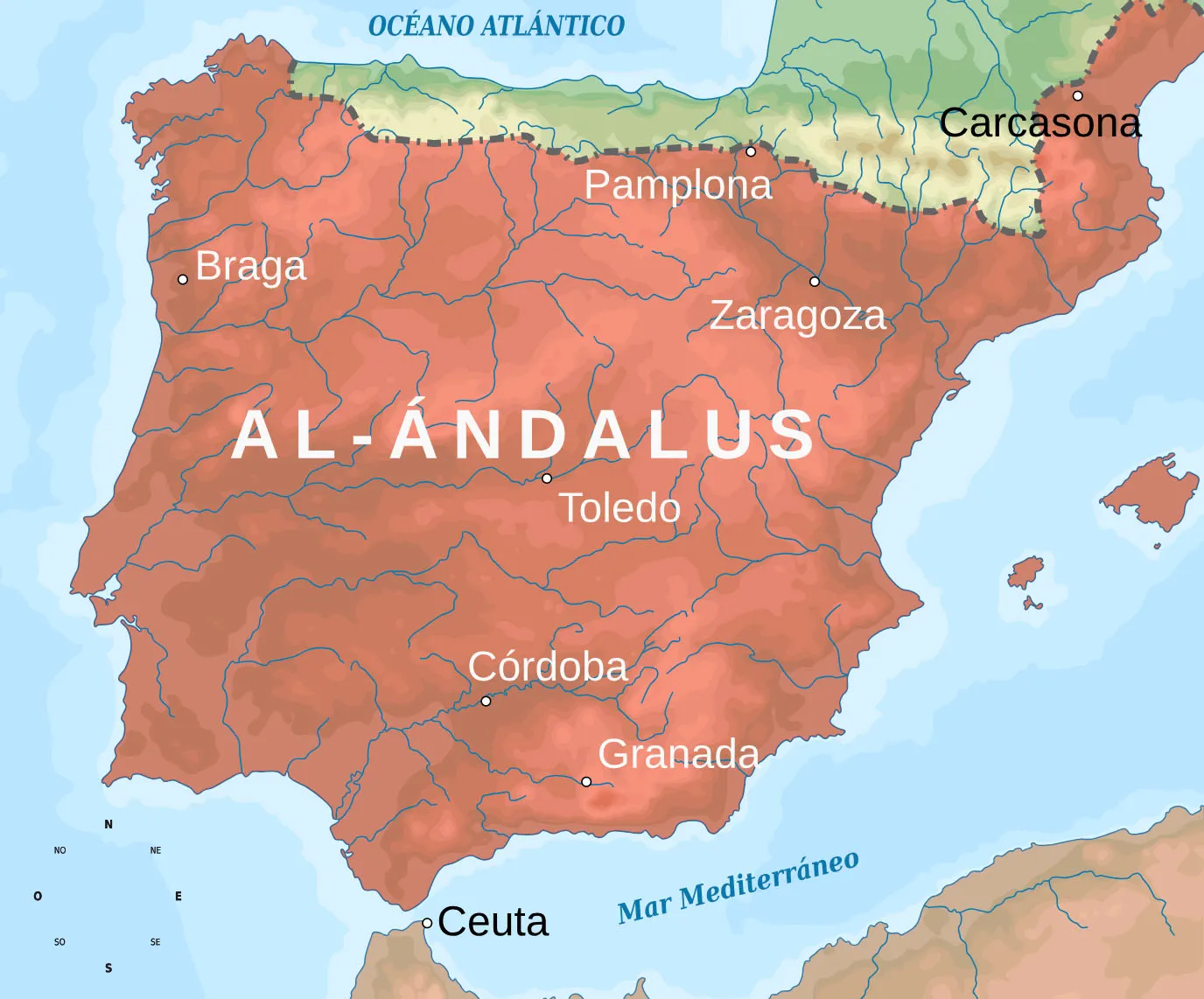
Between the eighth and fifteenth centuries, Al-Andalus became one of the world's greatest centers of learning. Córdoba, Seville, Toledo, and Granada drew physicians, mathematicians, astronomers, philosophers, architects, and linguists from across the Islamic world. North African Amazigh (Berber) communities, alongside Arab, Iberian, and Jewish scholars, shaped this remarkable intellectual environment.
Their libraries preserved knowledge that may otherwise have been lost. Their discoveries advanced medicine, mathematics, astronomy, and philosophy. Their translations helped reconnect medieval Europe with classical learning. The story of medieval Spain is not the story of one civilization. It is the story of knowledge crossing continents.
The Birth of Al-Andalus
In 711 AD, Muslim forces crossed the Strait of Gibraltar into the Iberian Peninsula. Many of the soldiers were Amazigh from North Africa under the command of Tariq ibn Ziyad. Within a few years much of the peninsula had become part of Al-Andalus.
Over the following centuries, Al-Andalus grew into one of the most prosperous and intellectually vibrant societies of the medieval world. Its rulers invested heavily in education, libraries, hospitals, observatories, irrigation, architecture, and translation. Knowledge itself became one of the state's greatest investments.
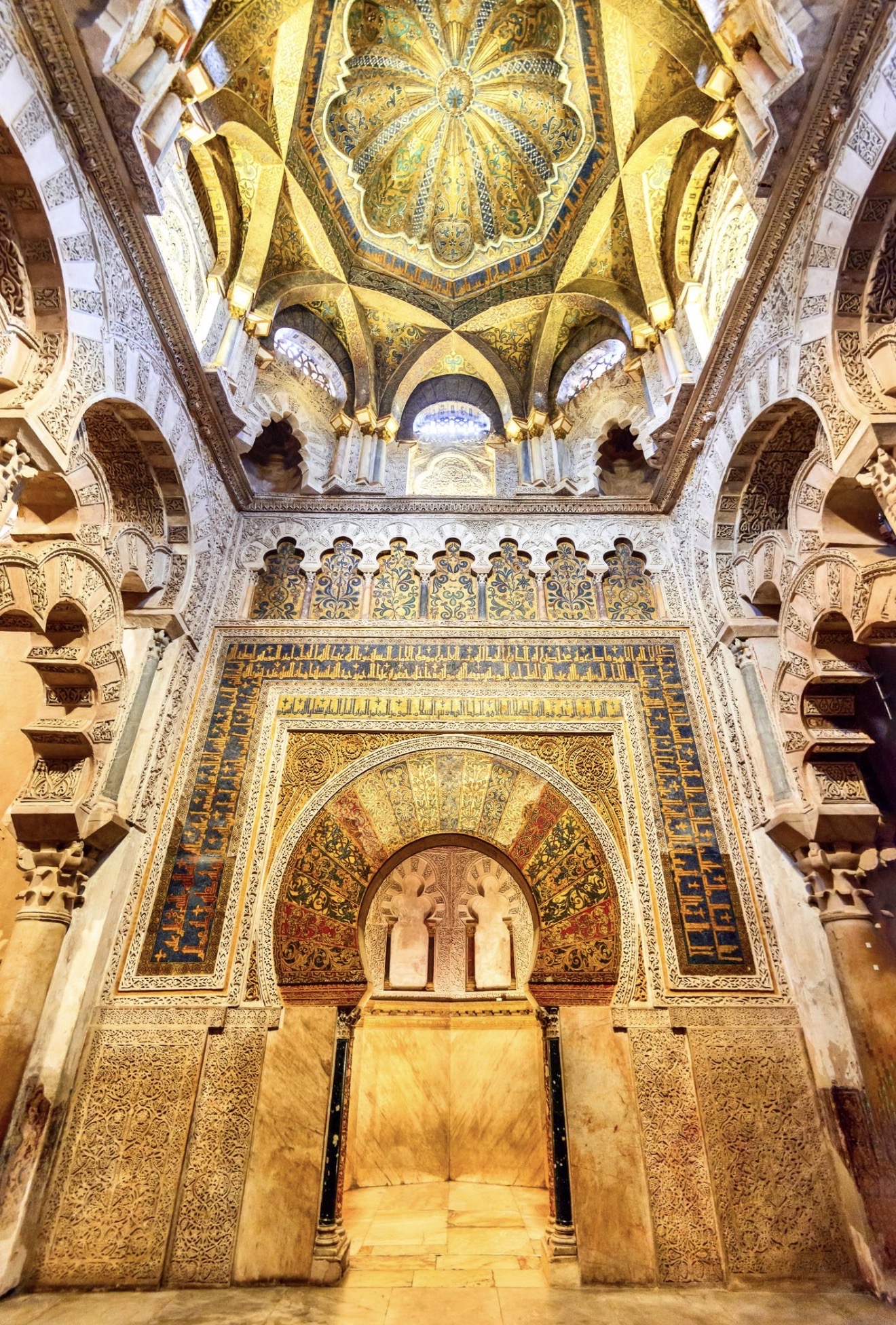
Córdoba: Europe's Greatest Library
By the tenth century, Córdoba was one of Europe's largest cities. Travelers described paved streets, public lighting, fountains, hospitals, schools, gardens, and public baths. But its greatest treasure was knowledge.
The Umayyad rulers assembled one of the largest libraries of the medieval world. Historical sources describe collections numbering in the hundreds of thousands of manuscripts. Modern historians debate the precise figures, but Córdoba clearly held one of the greatest repositories of learning anywhere in Europe.
Books arrived from North Africa, Egypt, Syria, Iraq, Persia, and Byzantium. Every manuscript represented another piece of humanity's accumulated knowledge.
Preserving the Ancient World
Many classical Greek texts survived through centuries of copying, translation, and commentary across the broader Islamic world. Scholars translated Aristotle, Plato, Hippocrates, Galen, Euclid, and Ptolemy.
These texts were not merely copied. They were debated, corrected, expanded, and critiqued. New discoveries were added to old knowledge. Later, translation centers in Toledo and elsewhere rendered many of these Arabic texts into Latin, making them accessible to scholars throughout medieval Europe.
Without this chain of preservation and translation, many classical works might not have reached later European universities in the form they did.
Medicine Beyond Its Time
Medical science flourished throughout Al-Andalus. Hospitals became places of both treatment and teaching. Physicians studied anatomy, surgery, pharmacology, ophthalmology, and infectious disease.
One of the greatest figures was Abu al-Qasim al-Zahrawi, known in Europe as Albucasis. Living in Córdoba in the tenth century, he wrote Kitab al-Tasrif, a comprehensive medical encyclopedia. Its surgical volume illustrated hundreds of instruments and described procedures ranging from dentistry to obstetrics.
For centuries, European universities continued to use Latin translations of his work. His influence on medieval surgery was profound.
Ibn Rushd: Philosophy Returns to Europe
Among Córdoba's greatest intellectuals was Ibn Rushd, known in Europe as Averroes. A philosopher, physician, and jurist, he devoted much of his life to studying Aristotle.
Rather than simply translating Aristotle, Ibn Rushd explained, defended, and interpreted his ideas. His commentaries later spread into Latin Europe, and students in Paris, Bologna, and Oxford studied his writings. His influence shaped medieval debates about reason, faith, and philosophy for generations.
Mathematics, Astronomy, and Scientific Innovation
The scholars of Al-Andalus also contributed to astronomy and mathematics. Observatories tracked the movements of stars and planets with increasing precision. Astronomers improved astronomical tables. Mathematicians refined methods inherited from earlier traditions.
Scientific instruments such as the astrolabe grew increasingly sophisticated, supporting navigation, timekeeping, and astronomical observation. Knowledge continued to evolve through observation rather than simple preservation.
The Translation Movement
As Christian kingdoms expanded into formerly Muslim territories, they encountered extraordinary libraries. Rather than destroying every manuscript, many rulers sponsored translation projects.
The School of Translators of Toledo became especially influential. Teams of Muslim, Jewish, and Christian scholars translated thousands of Arabic scientific and philosophical works into Latin. These translations entered Europe's universities, and through them medicine, mathematics, astronomy, and philosophy spread across the continent.
The Renaissance inherited far more than ancient Greece. It inherited centuries of scholarship preserved and expanded in the Islamic world.
Why This Matters
History rarely advances through isolated civilizations. Knowledge moves — through trade, migration, translation, and dialogue.
The story of Al-Andalus reminds us that African, Amazigh, Arab, Jewish, and Iberian scholars all contributed to one of history's greatest intellectual exchanges. Their achievements became part of humanity's shared inheritance. Recognizing these contributions does not diminish Europe's Renaissance. It enriches our understanding of how civilizations learn from one another.
Legacy
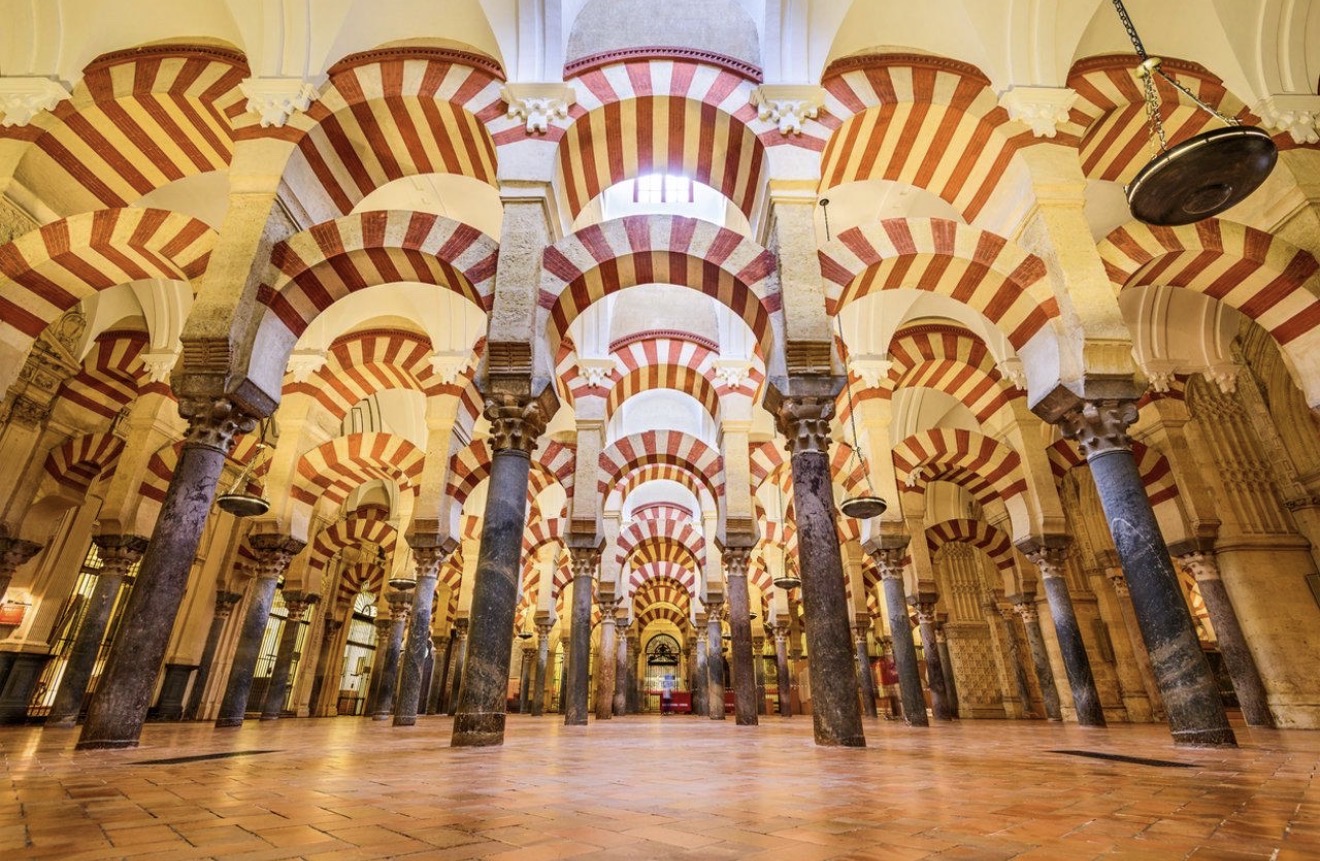
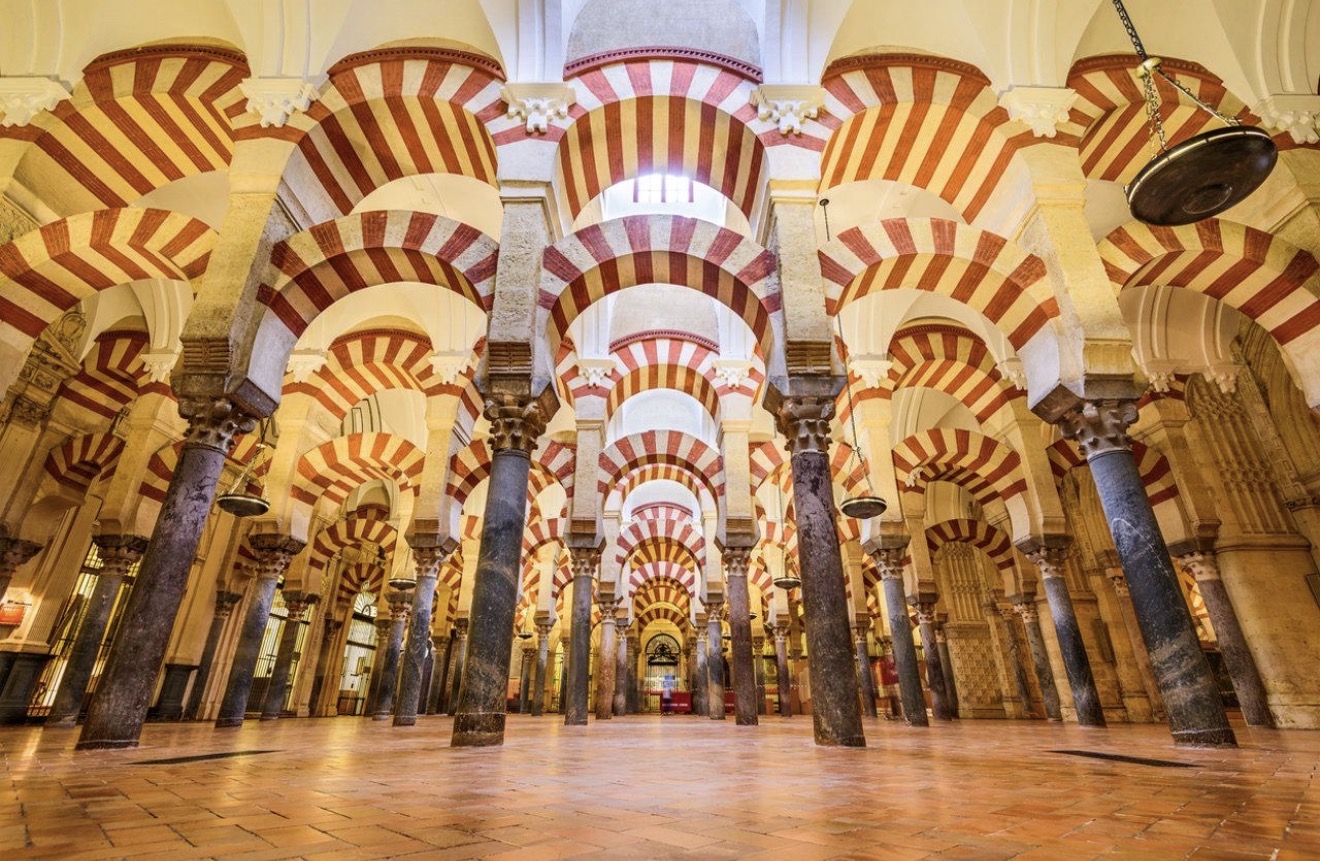
Today, many visitors admire the Great Mosque of Córdoba, the Alhambra of Granada, and the architectural beauty of medieval Spain. Far fewer realize that these cities were also home to physicians, philosophers, translators, mathematicians, and librarians whose work helped preserve and expand knowledge that shaped later European scholarship.
Their story deserves to be remembered alongside the monuments they left behind.
Suggested Reading
- Maria Rosa Menocal — The Ornament of the World
- Hugh Kennedy — Muslim Spain and Portugal
- Richard Fletcher — Moorish Spain
- Salma Khadra Jayyusi — The Legacy of Muslim Spain
- Jonathan Lyons — The House of Wisdom
Primary Historical Sources
- Ibn Hayyan — Muqtabis
- Al-Maqqari — Nafh al-Tib
- Ibn Rushd (Averroes) — Philosophical Commentaries
- Abu al-Qasim al-Zahrawi — Kitab al-Tasrif